Rare Spirits · Collector Access · Allocated Releases
Limited Edition Bourbon Whiskey — Before It’s Gone
The rarest bottles don’t wait. Browse our current allocation of collectible bourbon before inventory closes — curated drops from the most sought-after distilleries in America.
You already know the names. You’ve already missed them at retail. Limited edition bourbon whiskey doesn’t sit on shelves — it moves through allocations, private lists, and collector networks before most people even know a release happened. This page exists for buyers who are done waiting. What you’ll find here is a curated selection of rare bourbon bottles currently available — allocated releases, small-batch drops, and hard to find bourbon that rarely surfaces in one place. Inventory is live and updated. If it’s listed, it’s accessible now.
What Makes Limited Edition Bourbon Whiskey So Rare
The scarcity isn’t manufactured. It’s structural. Bourbon by law must age in new charred oak barrels — barrels that are used exactly once. Every bottle of rare bourbon you see represents years of locked capital, warehouse space, and irrecoverable time. The distillery cannot simply make more mid-cycle. What exists is what exists.
Layer on top of that the allocation system that governs how collectible bourbon moves through the market. Distilleries don’t sell direct to consumers at scale — they allocate bottles to state distributors, who allocate to retailers, who may or may not make those bottles publicly available. The most sought-after releases — Pappy Van Winkle, Buffalo Trace Antique Collection, Four Roses Limited — often never reach open shelves at all. They disappear before the truck unloads.
4–23
Years of barrel aging per release
<1%
Of allocated drops reach open retail
10×
Average secondary market premium for top-tier releases
The demand imbalance is permanent. As bourbon’s global profile grows, the bottles being aged right now are finite. Limited release bourbon is not a trend. It is a structural supply ceiling with an exponentially expanding demand floor.
“The bottles collectors want most were decided a decade ago — when a master distiller made a call about a barrel that nobody tracked.”
Why Collectors Pay Premium Prices for Rare Bourbon
The secondary bourbon market is not driven by excess spending. It’s driven by a very specific calculation: scarcity plus desirability plus time equals value. Collectors who have watched allocated bourbon whiskey appreciate over five, ten, fifteen years understand something retail buyers don’t — the price you pay today is often not the price that bottle represents in two years.
Beyond investment behavior, there is a simpler truth. Luxury bourbon whiskey is an experience with no substitute. A 23-year Pappy is not interchangeable with another bourbon at any price. The flavor profile is the result of a specific barrel, a specific warehouse location, a specific year’s grain harvest. That irreplicability is exactly what drives premium pricing — and exactly why serious collectors don’t hesitate when access opens up.
- Hard to find bourbon appreciates as remaining inventory contracts — every opened bottle reduces supply permanently
- Collectible bourbon carries social and cultural capital that translates across collector communities worldwide
- Limited release bourbon as gifts or cellar pieces signals taste, access, and knowledge that money alone can’t buy at retail
- The secondary bourbon market has outperformed many traditional collectibles over the past decade in terms of annual appreciation for top-tier expressions
Featured Limited Edition Bourbon Whiskey
Currently Available · Allocated Inventory · Updated Daily
Pappy Van Winkle’s Family Reserve 15 Year
The benchmark for allocated bourbon whiskey. Wheated mashbill, 15 years in the barrel, and an annual release so small that most retailers never receive a single bottle. Nutmeg, dried fruit, deep vanilla — and a finish that justifies everything written about it. Limited allocation. No restock window.
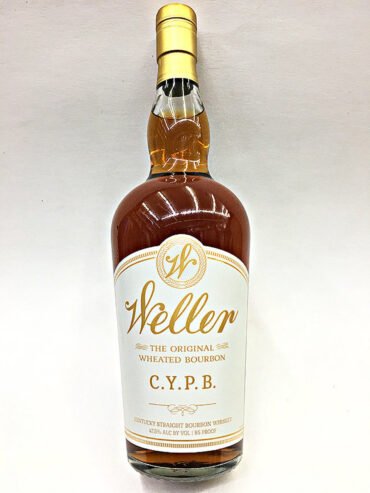
Buffalo Trace Antique Collection — William Larue Weller
An uncut, unfiltered wheated bourbon that releases once per year and disappears within hours. Each vintage is barrel-strength — proof varies, character does not. A foundational piece of any serious collectible bourbon cellar. Secondary market demand grows every cycle.
Four Roses Limited Edition Small Batch
Released once annually from a hand-selected combination of the distillery’s proprietary recipes. No two vintages are identical. Each year’s release is a closed chapter — once gone, it’s gone from the market for good. Robust proof, complex fruit and spice. A centerpiece bottle.
George T. Stagg — Buffalo Trace Antique Collection
Barrel-strength rye-heavy bourbon aged over a decade in the best positions of Buffalo Trace’s famed Warehouse C. Routinely scores among the highest of any American whiskey released in a given year. One of the hardest to find bourbon expressions in the country — consistently. If it’s here, it won’t be for long.
Michter’s Celebration Sour Mash
One of the rarest bourbon bottles released on the American market in any given year. Michter’s Master Distiller selects exceptional barrels across expressions and proof levels. Production numbers in the hundreds. Retails — when it retails — above four figures. This is trophy-tier luxury bourbon whiskey.
Old Rip Van Winkle 10 Year
The entry point into the Van Winkle family — and just as elusive as its older siblings. Wheated, approachable at proof, and a perennial target for bourbon collectors who understand that “entry-level” in the Van Winkle line is still one of the most allocated releases in American whiskey. Buy it when you find it.
How to Buy Limited Edition Bourbon Whiskey Before It Sells Out
Timing is the only variable you can control. The allocation cycle for rare bourbon is ruthlessly predictable — and ruthlessly fast. Fall releases from Buffalo Trace, spring drops from Four Roses, and the annual Van Winkle lottery all follow patterns that experienced collectors have mapped. The buyers who consistently access hard to find bourbon are the ones who move before the broader market notices.
On the secondary bourbon market, the window between listing and sale for premium allocated expressions is often measured in hours, not days. A bottle of George T. Stagg or William Larue Weller surfacing at market price is gone before most buyers finish their morning. The advantage goes to those already positioned — already watching, already decided.
- Don’t wait for confirmation. If a rare bourbon drop you’ve been tracking surfaces at a price you find reasonable, the research phase is over. Hesitation on collectible bourbon is how collections stall.
- Buy adjacent releases. When primary targets are unavailable, secondary targets from the same distillery family or mashbill lineage often move in tandem on the secondary market. A rising tide for Pappy lifts all Van Winkle vessels.
- Track by distillery cycle, not by individual bottle. Knowing when Buffalo Trace Antique Collection historically ships to distributors puts you ahead of buyers reacting to social media listings.
- Authenticity over speed — but barely. Buy from verified sources only. The secondary bourbon market has authentication infrastructure. Use it. But don’t let verification anxiety become an excuse for inaction on confirmed legitimate offerings.
Final Access — Explore Available Rare Bourbon Bottles
This inventory doesn’t restock on a schedule. What’s available today reflects a specific moment in the allocation cycle — and that moment closes. Browse our full collection of limited edition bourbon whiskey, allocated releases, and hard to find bottles before the window does.